Now accepting new patients - call (915) 995-1650 to schedule your first visitNow accepting new patients - call (915) 995-1650 to schedule your first visitNow accepting new patients - call (915) 995-1650 to schedule your first visitNow accepting new patients - call (915) 995-1650 to schedule your first visitNow accepting new patients - call (915) 995-1650 to schedule your first visitNow accepting new patients - call (915) 995-1650 to schedule your first visitNow accepting new patients - call (915) 995-1650 to schedule your first visitNow accepting new patients - call (915) 995-1650 to schedule your first visitNow accepting new patients - call (915) 995-1650 to schedule your first visitNow accepting new patients - call (915) 995-1650 to schedule your first visitNow accepting new patients - call (915) 995-1650 to schedule your first visitNow accepting new patients - call (915) 995-1650 to schedule your first visit
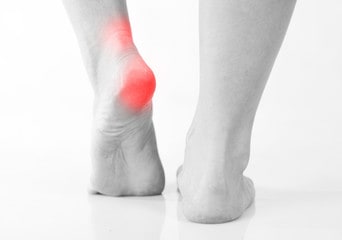
Patient dealing with Heel Pain

Patient Education

Heel Pain

Common Condition

Educational information only: not a substitute for professional medical advice or an individualized podiatric evaluation.

Heel pain is a symptom with a broad podiatric differential diagnosis rather than a single disease entity. Plantar causes include plantar fasciitis, calcaneal stress injury, fat pad pathology, entrapment neuropathy, inflammatory arthropathy, and less common osseous lesions. Posterior heel pain may involve insertional Achilles tendinopathy, retrocalcaneal bursitis, or other tendon and bursal pathology. Examination is directed toward localizing the pain generator before treatment is selected.

When to Seek Podiatric Evaluation

  • Severe heel pain after an injury or inability to bear weight
  • Pain that persists, worsens, or repeatedly returns
  • Swelling, redness, warmth, or bruising
  • Numbness, tingling, burning, or other neurologic symptoms

Common Symptoms

  • Pain on bottom of heel
  • Pain after periods of rest
  • Swelling around heel
  • Difficulty walking

Podiatric Management and Treatment Options

Treatment is selected according to the diagnosis, symptoms, and examination findings. The plan is individualized for each patient.

Conservative Management

  • Rest and activity modification
  • Plantar fascia and calf stretching
  • Supportive footwear and cushioned heel inserts
  • Custom orthotics
  • Night splints
  • Anti-inflammatory medication (NSAIDs)
  • Physical therapy

Risk and Contributing Factors

  • Sudden increases in running, walking, or impact activity
  • Prolonged standing or repetitive loading
  • Foot structure or mechanics that increase heel stress
  • Footwear that does not match the activity or foot needs

Foot Care and Risk Reduction

  • Increase activity gradually
  • Use supportive footwear appropriate for the activity
  • Stretch and condition the calf and foot as appropriate
  • Address persistent pain rather than repeatedly exercising through it
View all conditions

Concerned about Heel Pain?

A podiatric evaluation can help determine whether your symptoms are associated with this condition or another foot or ankle disorder. Recommendations are based on clinical findings and, when appropriate, diagnostic studies.

Educational information only β€” not medical advice, diagnosis, or treatment.

(915) 995-1650
ADA Accessible FacilityAPMA Member PracticeBoard Certified Podiatric PhysiciansServing El Paso Since 2021