Now accepting new patients - call (915) 995-1650 to schedule your first visitNow accepting new patients - call (915) 995-1650 to schedule your first visitNow accepting new patients - call (915) 995-1650 to schedule your first visitNow accepting new patients - call (915) 995-1650 to schedule your first visitNow accepting new patients - call (915) 995-1650 to schedule your first visitNow accepting new patients - call (915) 995-1650 to schedule your first visitNow accepting new patients - call (915) 995-1650 to schedule your first visitNow accepting new patients - call (915) 995-1650 to schedule your first visitNow accepting new patients - call (915) 995-1650 to schedule your first visitNow accepting new patients - call (915) 995-1650 to schedule your first visitNow accepting new patients - call (915) 995-1650 to schedule your first visitNow accepting new patients - call (915) 995-1650 to schedule your first visit
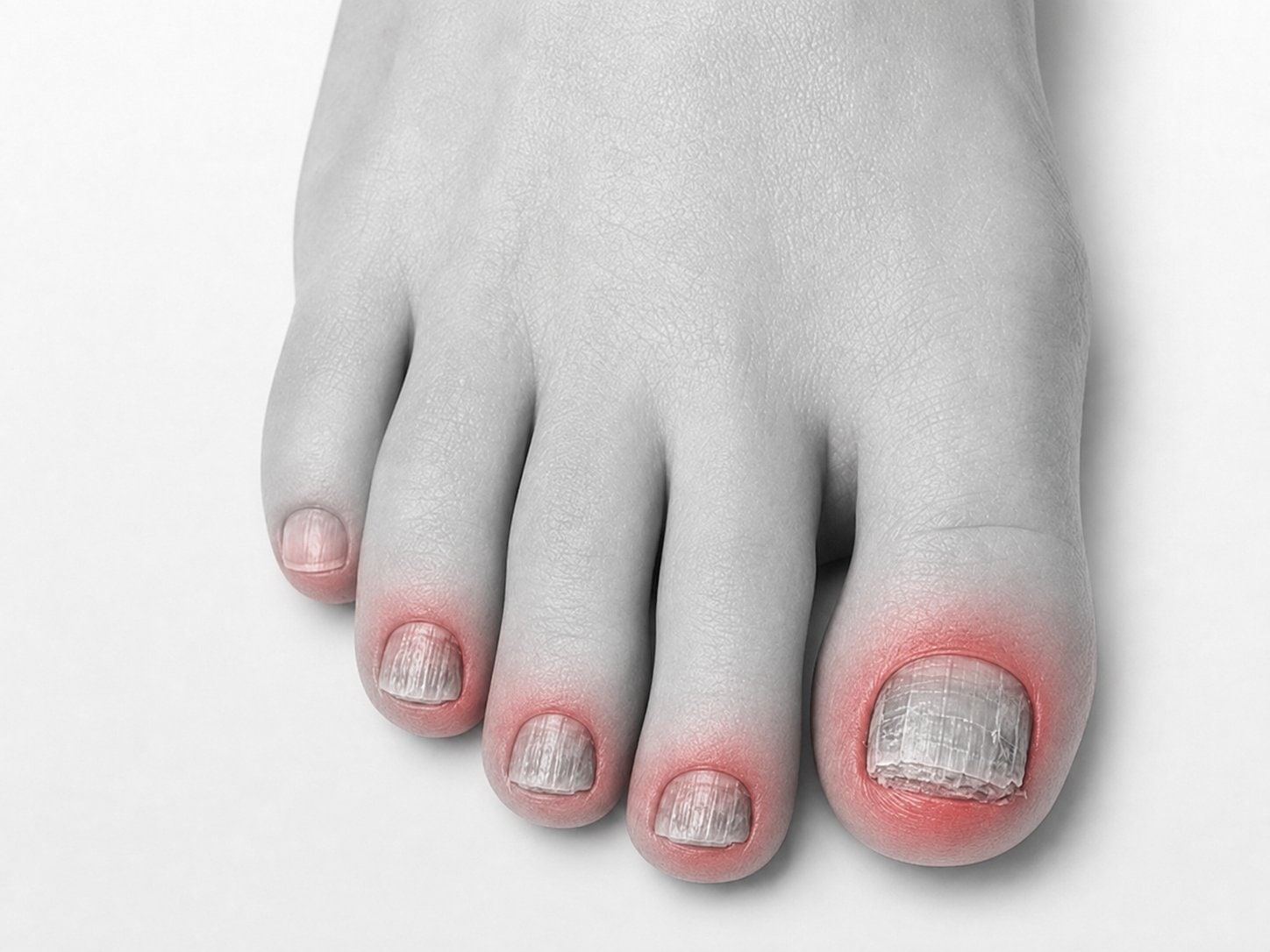
Patient dealing with Fungal Toenails (Onychomycosis)

Patient Education

Fungal Toenails (Onychomycosis)

Common Condition

Educational information only: not a substitute for professional medical advice or an individualized podiatric evaluation.

Onychomycosis is a fungal infection of the nail unit that can produce nail plate discoloration, thickening, subungual debris, brittleness, and dystrophy. Because traumatic nail changes, psoriasis, and other disorders may resemble fungal disease, diagnosis is based on the clinical examination and confirmatory testing when indicated.

When to Seek Podiatric Evaluation

  • Painful or progressively thickened nails
  • Drainage, redness, or surrounding skin infection
  • Persistent nail changes despite appropriate treatment
  • Patients with diabetes, neuropathy, or impaired circulation should seek professional nail care

Common Symptoms

  • Thickened or dystrophic toenails
  • Yellow, white, or brown nail discoloration
  • Subungual debris or brittle, crumbling nail plate
  • Pressure or discomfort in footwear

Podiatric Management and Treatment Options

Treatment is selected according to the diagnosis, symptoms, and examination findings. The plan is individualized for each patient.

Conservative Management

  • Clinical nail evaluation and diagnostic testing when indicated
  • Mechanical debridement of dystrophic nail when clinically appropriate
  • Topical antifungal therapy for selected disease
  • Oral antifungal therapy when appropriate after medication and health review
  • Concurrent management of tinea pedis when present

Risk and Contributing Factors

  • Tinea pedis or recurrent fungal skin infection
  • Warm moist footwear or repeated exposure to contaminated surfaces
  • Repeated nail trauma
  • Advancing age, diabetes, or reduced immune function

Foot Care and Risk Reduction

  • Keep feet clean and dry and change damp socks
  • Use footwear in shared showers and locker rooms
  • Avoid sharing nail instruments, shoes, or socks
  • Treat athlete's foot promptly when present
View all conditions

Concerned about Fungal Toenails (Onychomycosis)?

A podiatric evaluation can help determine whether your symptoms are associated with this condition or another foot or ankle disorder. Recommendations are based on clinical findings and, when appropriate, diagnostic studies.

Educational information only β€” not medical advice, diagnosis, or treatment.

(915) 995-1650
ADA Accessible FacilityAPMA Member PracticeBoard Certified Podiatric PhysiciansServing El Paso Since 2021